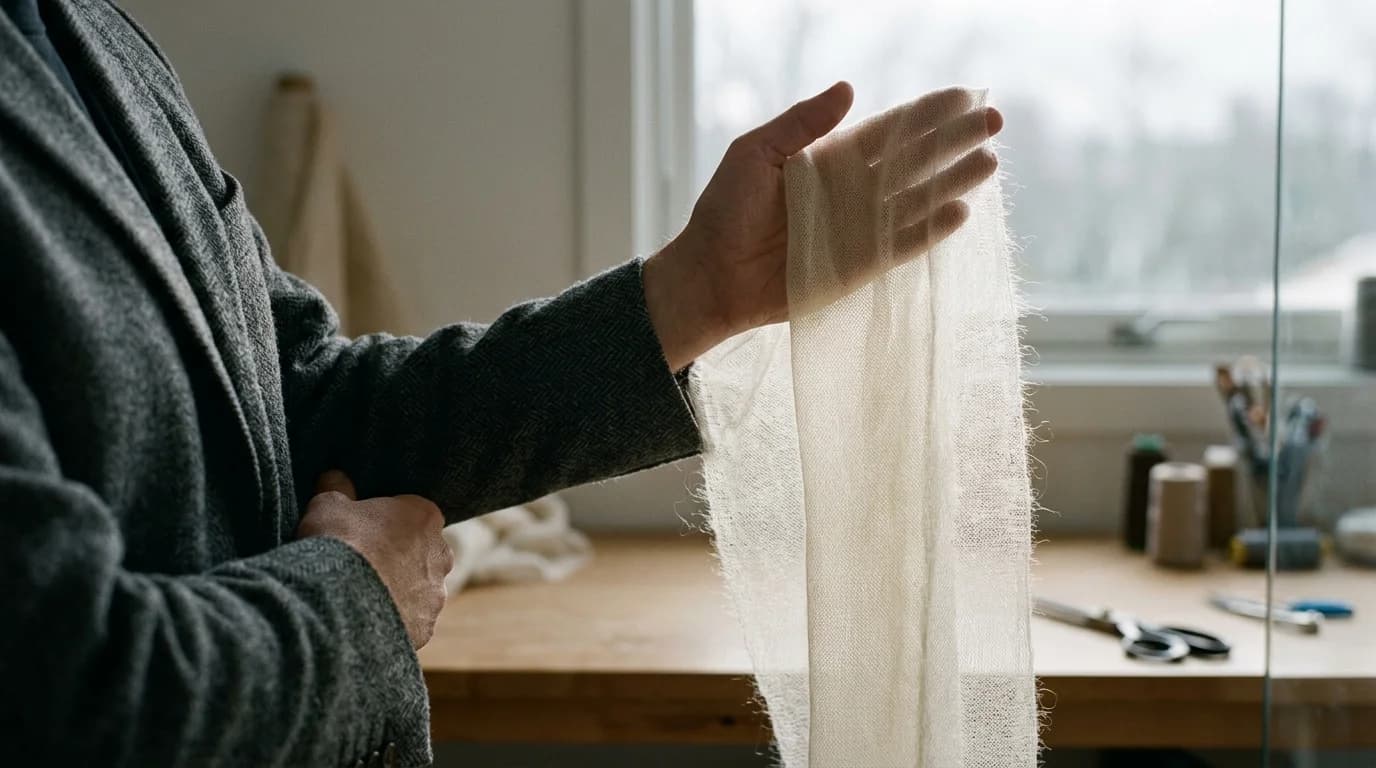
The International Woolmark Prize has been running since 1953. Karl Lagerfeld won it in 1954. Yves Saint Laurent won it in 1954 too (they shared the year). That's the lineage. When people talk about fashion prizes as trend indicators, they usually mean the LVMH Prize or ANDAM. Woolmark predates both combined, and it only cares about one fiber. Nothing else in fashion works like that.
Every entrant must design with Merino wool. No open brief with a cash reward attached. A material brief. Design something new with this specific fiber. That constraint shapes who wins and, if you pay attention to the shortlists, tells you more about where fashion will go than any mood-board-driven prize.
Why the material constraint matters
Most fashion prizes judge designers on overall creative vision. Woolmark judges on material innovation. What can you do with wool that hasn't been done before? How do you make a 10,000-year-old fiber feel contemporary?
The concept-first crowd, the designers who pin a vibe and reverse-engineer a collection from there, mostly don't bother with Woolmark. It draws people who touch fabric before they sketch. Fiber properties first, silhouettes second. Construction over spectacle.
Woolmark alumni tend to be technically stronger than alumni of other prizes. Less flashy, less press-friendly. But they make better garments. And in 2026, with the fabrication shift toward natural fibers, every brand chasing natural fabrication wants exactly the skills Woolmark has been rewarding for decades.
What the prize actually is
The prize awards 200,000 AUD (approximately 120,000 EUR) to one winner, with separate womenswear and menswear finalists. Winners also get supply chain support from The Woolmark Company: access to the best Merino wool mills, technical advice on fiber properties, and introductions to the Merino supply chain that most young designers can't get on their own.
The supply chain access matters more than the money. Wool is a complex fiber. It comes in different micron counts (fiber diameter), from the finest 11.5-micron Merino to heavier counts for outerwear. Knowing which wool works for which garment takes years to learn on your own. Winners get that education built into the prize, which is why they end up doing things with the fiber that their competitors can't touch.
What the prize reveals about fashion
Lightweight wool is the big story. Woolmark has pushed tropical-weight wools (150-200 GSM) for several years now, and recent finalists show what's possible. Tailored suiting lighter than cotton poplin. Fluid dresses in fine Merino that drape like silk. "Wool is only for winter" is done. Woolmark proved it.
Wool as performance fabric. Several recent finalists have explored Merino's natural performance properties: temperature regulation, moisture management, odor resistance. Synthetics replicate these chemically. Merino does it by default. Look at where recent finalists aim their work and the picture is clear: wool's real competitor isn't silk or cotton anymore. It's polyester and nylon.
Sustainability through fiber choice. Merino wool biodegrades, renews annually (sheep grow new fleece every year), and lasts. Woolmark doesn't brand itself as a sustainability award, but recent shortlists lean heavily toward designers who chose wool for exactly these reasons. The material constraint and the industry's sustainability needs just happen to overlap. Whether that's luck or a 70-year-old brief aging well, the result is the same.
Notable alumni
Karl Lagerfeld (1954). Won alongside Yves Saint Laurent in the prize's first year. Lagerfeld's entries showed a technical control of wool that foreshadowed decades of material obsession. The prize spotted him before anyone else did.
Yves Saint Laurent (1954). Shared the inaugural prize with Lagerfeld. Two of the 20th century's most important designers, spotted by the same prize in the same year, before either had designed a single collection for a fashion house. Hard to argue with that track record.
Recent winners skew toward material experimentation. Fine-gauge knits that rival jersey. Bonded wool constructions. Treated Merino with an unexpected hand. The prize keeps rewarding designers who refuse to treat wool as a cold-weather staple, and the industry is catching up to that position.
Woolmark vs other prizes
| Aspect | Woolmark | LVMH | ANDAM | |--------|----------|------|-------| | Focus | Material (Merino wool) | Overall creative vision | Career building | | Founded | 1953 | 2013 | 1989 | | Prize | 200,000 AUD | 400,000 EUR | 300,000 EUR | | Key benefit | Supply chain access + material expertise | Press visibility + mentorship | French fashion system integration | | Self-selects for | Material-first designers | Press-ready talent | Long-term career viability |
These prizes complement each other more than they compete. A designer could realistically win Woolmark for material innovation, then ANDAM for career building, then get nominated for LVMH on overall creative impact. They measure different things.
Reading the Woolmark shortlist for trends
Woolmark won't tell you who'll lead a major house next. LVMH and ANDAM are better for that. Woolmark tells you what materials and techniques sit at the frontier.
Finalists show lightweight wool rivaling silk for drape? Worth tracking. Multiple entrants explore wool's performance properties? That's the industry tilting toward natural performance fibers. Bonded and layered wool constructions cluster across a shortlist? Expect those techniques in commercial collections 2-3 years later.
If you track fashion trends from a materials angle, the Woolmark shortlist is where you start.
FAQ
What is the International Woolmark Prize?
The world's oldest fashion prize, running since 1953. It awards 200,000 AUD plus supply chain mentorship to designers who create innovative collections using Merino wool. Alumni include Karl Lagerfeld and Yves Saint Laurent (both 1954).
How is the Woolmark Prize different from the LVMH Prize?
Woolmark is material-specific: all entrants must design with Merino wool. LVMH evaluates overall creative vision regardless of material. Woolmark rewards textile knowledge and material innovation. LVMH rewards creative impact and press potential.
Why does the Woolmark Prize matter for trends?
Its material focus surfaces textile innovation before it hits commercial collections. When multiple finalists push lightweight wool into warm-weather territory, the industry follows. The prize tracks where material innovation meets design, a different and complementary signal to what LVMH or ANDAM offer.
Is wool a sustainable fabric choice?
Merino wool biodegrades, renews annually, and holds up. It has natural performance properties (temperature regulation, moisture management) that synthetic alternatives achieve chemically. The environmental picture of wool farming is mixed: land use, methane, water. But the fiber itself has structural sustainability advantages over synthetics.